
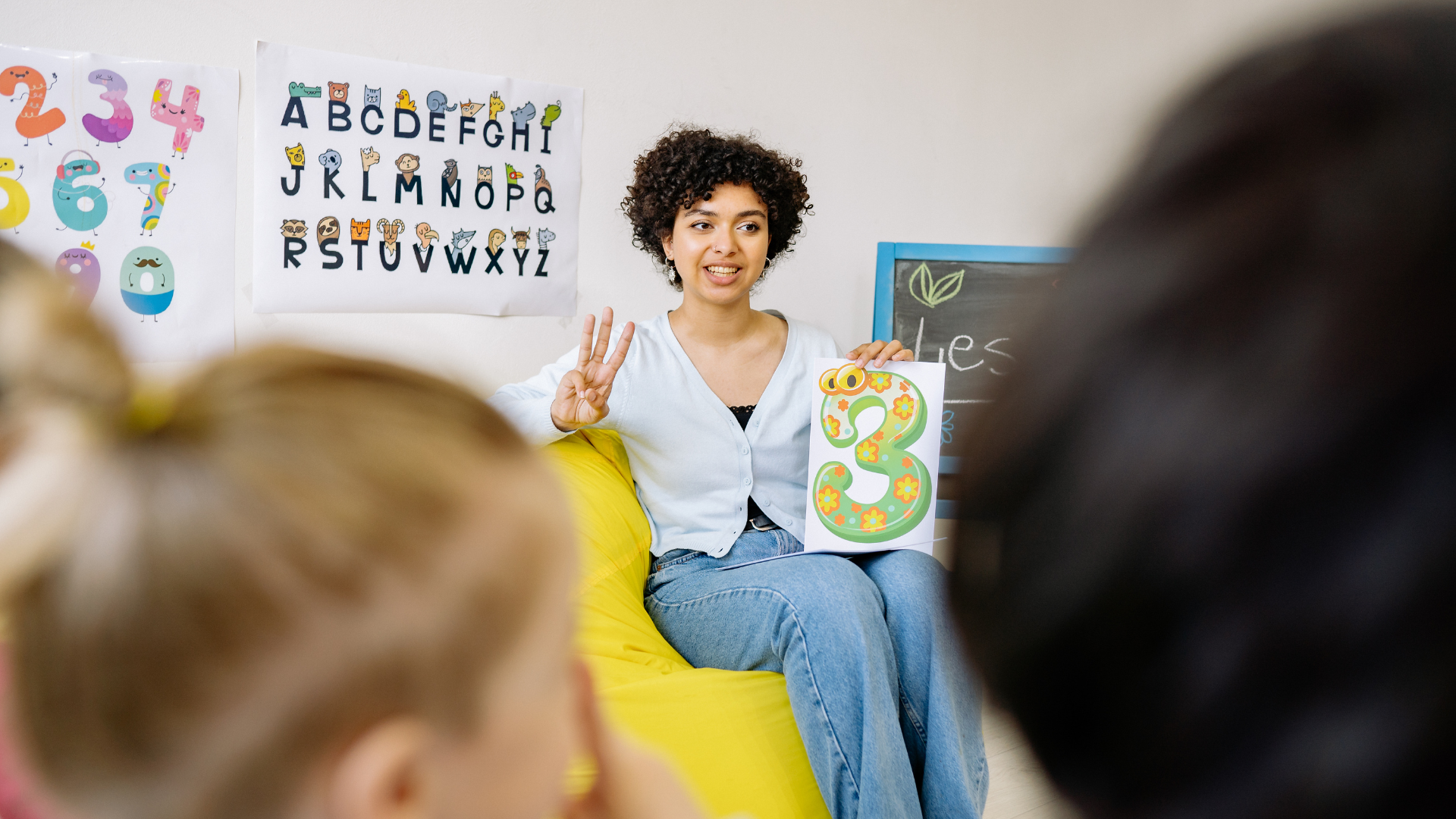

Modern classrooms require teaching methods that engage students actively and support diverse learning styles. Innovative teaching methods use technology, collaboration, and hands-on activities to create more effective and personalized learning experiences. These approaches help students develop critical thinking and problem-solving skills needed for today’s world.
Incorporating tools like digital platforms and project-based learning can transform traditional lessons. This shift not only increases student motivation but also encourages a deeper understanding of the material.
Teachers who adopt innovative strategies often see improved classroom dynamics and higher student achievement. Exploring these methods can guide educators in making learning more relevant and accessible.
What Are Innovative Teaching Methods?
Innovative teaching methods involve fresh approaches designed to improve student engagement and learning outcomes. These methods focus on active participation, personalized learning, and the integration of technology.
Definition and Overview
Innovative teaching methods refer to instructional strategies that deviate from traditional lecture-based approaches. They incorporate creativity, technology, and new pedagogical theories to make learning more interactive and relevant.
Examples include flipped classrooms, project-based learning, and gamification. These methods prioritize student-centered activities over passive listening. The aim is to develop critical thinking, collaboration, and problem-solving skills.
Educators use tools like digital platforms, multimedia, and real-world problem scenarios to enhance understanding. Innovation in teaching shifts the educator’s role from information provider to facilitator of learning.
Key Principles of Innovation in Education
Several core principles guide innovative teaching methods:
- Student-centered learning: Tailors instruction to meet diverse learner needs.
- Active engagement: Encourages hands-on activities and discussions.
- Collaboration: Supports group work and peer learning.
- Use of technology: Integrates digital tools to supplement instruction.
- Continuous feedback: Provides timely assessments to guide progress.
These principles help create a dynamic classroom where students take ownership of their learning. Teachers adapt methods based on student responses and evolving educational technology.
Benefits for Students and Teachers
Students benefit from higher motivation and improved understanding as they participate actively. Innovative methods support different learning styles and promote critical thinking.
Teachers experience more meaningful interactions and can assess student progress more effectively. These methods also reduce monotony and help educators stay current with educational trends.
Both students and teachers gain skills suited for real-world challenges, such as teamwork, communication, and digital literacy. This alignment improves overall academic performance and classroom atmosphere.
Active Learning Strategies
Engaging students actively in the learning process helps develop critical thinking, collaboration, and practical skills. Techniques focus on interaction, real-world application, and student ownership of knowledge.
Collaborative Group Activities
Collaborative group activities encourage communication and teamwork. Students work together on problem-solving tasks, discussions, or case studies, allowing them to share ideas and learn from peers.
Groups are often structured to balance skills and backgrounds, improving participation and outcomes. Teachers facilitate by assigning roles, setting clear goals, and providing feedback.
These activities also promote social skills, accountability, and deeper understanding by requiring students to articulate their thoughts and defend their reasoning. Tools like digital whiteboards or platforms can enhance collaboration, especially in hybrid or remote settings.
Project-Based Learning
Project-based learning centers on completing meaningful projects over time. Students tackle complex questions or challenges that require research, planning, and execution.
This method bridges theory and practice, helping students apply knowledge to realistic contexts. Projects can be individual or group-based and often culminate in presentations or products that demonstrate learning.
Teachers act as guides, helping students manage time, resources, and criteria for success. The approach builds problem-solving skills, autonomy, and motivation through tangible outcomes linked to curriculum standards.
Peer Teaching Techniques
Peer teaching involves students instructing or reviewing material with classmates. It reinforces understanding for both the teacher and learner through explanation and discussion.
This strategy can take forms like tutoring, group discussions, or role reversals in the classroom. It encourages responsibility, boosts confidence, and addresses varied learning paces.
Successful peer teaching relies on proper training and clear expectations. Teachers monitor interactions to ensure accuracy and provide support where needed. It is particularly effective in fostering collaboration and reinforcing core concepts through active engagement.
Technology-Enhanced Instruction
Modern classrooms leverage digital tools, flexible learning models, and interactive elements to increase engagement and boost understanding. These methods help tailor education to varied learning styles and pace without sacrificing content quality or structure.
Integrating EdTech Tools
EdTech tools, such as digital whiteboards, educational apps, and learning management systems (LMS), help teachers deliver content more effectively. For example, platforms like Google Classroom enable seamless assignment distribution, feedback, and progress tracking.
Teachers can use video conferencing tools for remote guest lectures or Q&A sessions, expanding learning opportunities. Data analytics integrated into many apps allows educators to identify student strengths and weaknesses quickly.
Some widely adopted tools include:
- Interactive simulations for science and math
- Language learning apps with speech recognition
- Collaborative platforms for group projects
The adaptability of EdTech supports differentiated instruction, which is crucial for mixed-ability classrooms.
Blended Learning Models
Blended learning combines traditional face-to-face instruction with online educational materials and activities. It allows students to access content outside the classroom and learn at their own pace.
Common models include Station Rotation, where students cycle between online learning and in-person tasks, and Flipped Classroom, where students review lectures at home and apply concepts in class.
This approach can improve engagement and retention by varying the instructional format. It also facilitates more personalized feedback since teachers spend class time on interaction and problem-solving rather than direct lecturing.
Blended learning requires reliable technology access and teacher training to be effective.
Gamification in Classrooms
Gamification incorporates game design elements like points, levels, and rewards into learning activities to enhance motivation and participation. It encourages active learning through challenges and immediate feedback.
Examples include quiz platforms with leaderboard systems, badges for milestone achievements, and educational games that adapt difficulty based on student performance.
By transforming routine tasks into engaging experiences, gamification helps maintain student interest and supports skill development, especially in subjects like math and language arts.
It also fosters collaboration and healthy competition, which can improve social skills and teamwork in classroom settings.
Personalized and Adaptive Learning Approaches
Modern classrooms are shifting toward teaching methods that tailor education to individual student needs. These approaches rely on customizing instruction, guiding students through unique learning routes, and using real-time data to adjust teaching strategies.
Differentiated Instruction
Differentiated instruction modifies teaching techniques based on students’ readiness, interests, and learning profiles. Teachers design multiple paths for learning a topic, such as varying the complexity of assignments or using different media formats. This allows students to engage with content in ways that suit their strengths and areas for growth.
Effective differentiation involves ongoing assessment, both formal and informal, to identify where each student stands. For example, a teacher might provide visual aids for visual learners while offering discussion opportunities for auditory learners within the same class. This method improves engagement by meeting diverse needs within one classroom environment.
Student-Centered Learning Paths
Student-centered learning paths give learners control over what, how, and when they study. These paths often use modular units or projects, allowing students to explore subjects that align with their goals or curiosity. Such autonomy motivates students and encourages deeper understanding.
Teachers act as facilitators rather than just content deliverers, supporting students as they navigate their customized paths. Using technology, students can access resources at their own pace, enabling mastery before progressing. This approach also fosters critical thinking by requiring active decision-making and reflection.
Using Data to Inform Teaching
Data-driven instruction uses information gathered from assessments, classroom interactions, and digital tools to fine-tune teaching methods. Teachers analyze patterns in student performance to identify knowledge gaps or misconceptions early.
This information guides lesson adjustment, re-teaching, and personalized support. For example, if data reveals that a group struggles with a math concept, targeted activities can be introduced to address it. Data also helps track progress over time, ensuring instruction evolves with students’ needs rather than relying on a fixed curriculum.
Flipped Classroom Model
This approach reverses traditional teaching by moving direct instruction outside the classroom, freeing in-class time for active learning. It requires careful selection of multimedia materials and deliberate strategies to engage students during face-to-face sessions.
Flipped Learning Basics
The flipped classroom shifts lectures and content delivery to homework using videos, readings, or interactive modules. Students gain exposure to new material independently, which encourages self-paced learning and allows them to revisit complex topics as needed.
In class, the focus changes to applying knowledge through discussions, problem-solving, or group work. This reduces passive listening and increases student participation, promoting deeper understanding. Teachers also use in-class time to identify difficulties and provide personalized support.
Preparing and Curating Multimedia Content
Effective flipped learning relies on well-designed multimedia resources. Videos should be concise, ideally 5-10 minutes, to maintain attention and cover specific concepts clearly.
Content must be accessible across devices and platforms, with captions or transcripts for inclusivity. Curating existing materials saves time but requires vetting for accuracy and alignment with learning objectives.
Teachers may also create original resources tailored to their class’s needs. Supplementary tools like quizzes or interactive activities can reinforce engagement outside the classroom.
Maximizing Class Time for Interaction
Class sessions should prioritize active and collaborative activities that deepen comprehension. Examples include case studies, debates, laboratory experiments, or peer teaching.
Teachers act as facilitators, guiding discussions and addressing misconceptions in real time. Small group work helps build communication skills and allows students to learn from different perspectives.
Regular formative assessments during class help monitor progress and adjust instruction quickly. Clear instructions and structured tasks ensure efficient use of time and encourage meaningful participation.
Inquiry-Based and Experiential Learning
These approaches focus on engaging students directly with questions, problems, and hands-on activities. They foster deeper understanding through active participation rather than passive listening.
Promoting Critical Thinking
Inquiry-based learning encourages students to ask questions and explore answers independently. It shifts the role of the teacher from information provider to facilitator, guiding students through investigation rather than giving direct answers.
Critical thinking is developed by evaluating sources, comparing perspectives, and reasoning through evidence. This method improves analysis and decision-making skills essential for academic and real-world success. Teachers can implement techniques like Socratic questioning and reflective journals to strengthen these skills over time.
Real-World Problem Solving
Experiential learning connects classroom content with practical applications. Students work on real-world issues, enhancing relevance and motivation. Projects might involve community challenges, simulations, or collaborative research.
This approach requires students to synthesize knowledge from multiple disciplines and apply it creatively. It develops skills like teamwork, adaptability, and communication while reinforcing subject matter understanding through practical use.
Design Thinking in Education
Design thinking is a structured methodology that encourages students to empathize with users, define problems, ideate solutions, prototype, and test them. This iterative process builds creativity and resilience.
It fits well with inquiry-based learning by providing a clear framework for exploration. Educators use design thinking to teach problem-solving in fields like technology, business, and social sciences, making learning student-centered and outcomes-driven.
Culturally Responsive Teaching
Understanding and respecting students’ cultural backgrounds enhances engagement and academic success. This approach requires intentional strategies that support diverse learners and foster a sense of belonging.
Adapting to Diverse Student Needs
Culturally responsive teaching demands adapting instruction to fit varied learning styles and cultural contexts. Teachers can use multimodal resources, such as visual aids, storytelling, and technology, to address different preferences.
Assessments should reflect cultural fairness by avoiding bias and allowing multiple ways for students to demonstrate knowledge. For example, offering oral presentations alongside written assignments accommodates different strengths.
Building relationships with students and their families provides insight into cultural values and communication styles. This knowledge enables tailoring lessons to be relevant and respectful. Flexibility in classroom routines also helps meet diverse behavioral and social expectations.
Inclusive Classroom Environments
Creating an inclusive environment means designing classrooms that visibly reflect and honor all cultures. This includes using multicultural materials like books, posters, and examples from various traditions.
Seating arrangements and group activities should encourage collaboration among students from different backgrounds. Norms around respect and open dialogue need to be clearly established and consistently reinforced.
Teachers can incorporate students’ cultural experiences into curriculum content to validate identities and encourage pride. Classroom celebrations of diverse holidays and languages further promote inclusion and mutual understanding.
Assessment and Feedback Innovations
Modern classrooms increasingly rely on dynamic strategies to evaluate student progress and provide timely insights. These approaches promote continuous learning by allowing educators to adjust instruction based on ongoing data. Immediate, detailed responses and varied assessment formats are central to this shift.
Formative Assessment Techniques
Formative assessments are designed to gather evidence on student understanding during the learning process. Techniques such as exit tickets, think-pair-share activities, and quick quizzes help teachers identify gaps without interrupting lesson flow. These tools support iterative learning rather than one-time judgment.
Peer-assessment also plays a role, enabling students to evaluate each other’s work against clear criteria. This not only develops critical thinking but also encourages active engagement. Using rubrics with specific performance indicators ensures feedback remains objective and constructive.
Technology enhances formative assessments by offering platforms that allow for instant data collection and analysis. For example, adaptive quizzes adjust question difficulty in real-time, providing targeted practice to individual learners.
Real-Time Feedback Tools
Real-time feedback tools provide immediate information to both students and teachers. Classroom response systems like clickers or mobile apps let students answer questions live, showing results instantly. This fosters active participation and keeps learners aware of their comprehension.
Digital platforms such as Google Classroom and Kahoot! incorporate feedback loops within lessons. They allow teachers to monitor responses and give personalized comments quickly. This accelerates the feedback cycle compared to traditional paper-based methods.
Visual dashboards help educators track class-wide trends and spot students needing extra support. These tools often integrate with data analytics, highlighting patterns across assessments to inform future planning. Immediate feedback reduces the lag between performance and reflection, promoting timely intervention.
Professional Development for Educators
Effective professional development helps teachers stay current with instructional technology and student-centered strategies. It also promotes consistent growth through peer support, enhancing classroom practice.
Training on Innovative Practices
Training programs focus on equipping educators with skills to implement technology integration, such as using interactive whiteboards, educational apps, or virtual labs. Workshops often include hands-on sessions where teachers practice new tools in realistic scenarios.
Key areas covered are:
- Blended learning models
- Gamification techniques
- Project-based learning frameworks
These sessions emphasize adapting lessons to diverse learner needs while maintaining engagement. Follow-up coaching and feedback help solidify new techniques.
Collaborative Learning Communities
Collaborative learning communities enable educators to share resources, troubleshoot challenges, and exchange ideas. These groups often meet regularly, either in-person or online, fostering a culture of continuous improvement.
Benefits include:
- Peer mentoring and support
- Joint lesson planning
- Sharing case studies and student outcomes
Such communities encourage reflective practice and innovation by making professional growth a shared responsibility. They also help prevent isolation by connecting teachers across grades and subjects.
Future Trends in Innovative Education
Technology will continue to shape teaching methods, with artificial intelligence (AI) playing a growing role. AI can personalize learning, adapting content to student needs in real time and improving engagement through tailored feedback.
Virtual Reality (VR) and Augmented Reality (AR) will expand immersive learning experiences. These tools allow students to explore complex subjects hands-on, such as virtual science labs or historical environments, enhancing understanding beyond textbook materials.
Hybrid learning models are likely to become standard. These combine in-person and online instruction, offering flexibility while maintaining social interaction and access to digital resources.
| Trend | Description | Potential Impact |
| AI-Driven Learning | Personalized learning paths using data | Improved student outcomes |
| VR/AR Integration | Immersive and interactive environments | Enhanced engagement and retention |
| Hybrid Classrooms | Mix of online and face-to-face learning | Increased accessibility |
Data analytics will support teachers by providing insights into student progress and identifying areas needing attention. Educators will use this information to tailor instruction more effectively.
Collaboration tools designed for education will improve group work and communication, both inside and outside the classroom. These tools support skill development in teamwork and digital literacy.
Overall, the integration of emerging technologies and flexible learning approaches will continue to evolve, making education more adaptive and accessible.