
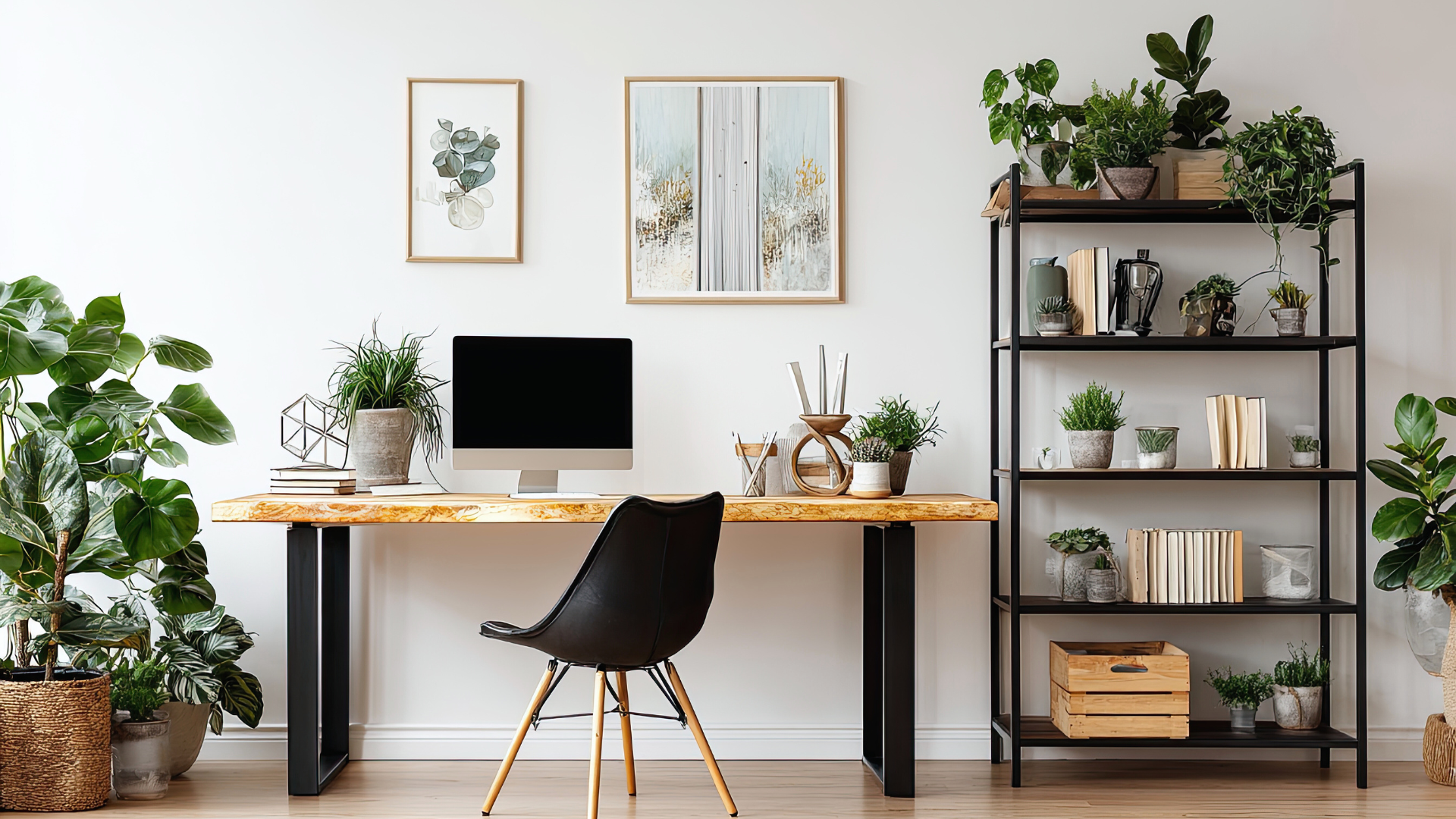

Modern minimalist home design focuses on simplicity, clean lines, and functionality. It removes unnecessary clutter to create spaces that feel open and calming.
The core of modern minimalist design is less is more, emphasizing quality over quantity in every element. This approach highlights natural light, neutral colors, and efficient use of space, making homes both elegant and practical.
By combining form and function, minimalist homes foster a sense of order and tranquility. This style is ideal for those seeking a streamlined, modern living environment without sacrificing comfort.
Core Principles of Modern Minimalist Home Design
The foundation of modern minimalist home design lies in purposeful choices that enhance usability, aesthetics, and comfort. These choices emphasize clarity, intentionality, and a harmonious environment shaped by simplicity and order.
Simplicity in Form and Function
Modern minimalist design prioritizes clean lines and uncluttered shapes. Furniture and architectural elements typically avoid ornate details, focusing instead on geometric forms that offer practical use without excess.
Function drives design decisions. Every item usually serves a clear purpose, reducing unnecessary features or decorations. Materials like glass, steel, and smooth wood surfaces are common, often chosen for durability and ease of maintenance.
This principle supports creating spaces that feel open and breathable. It enhances visual calmness, encourages efficiency, and makes everyday activities straightforward.
Clutter-Free Living Environments
Minimalism requires deliberate reduction of excess belongings. Storage solutions are integrated seamlessly, hiding items to maintain open surfaces and uninterrupted sightlines.
Visual clutter is minimized by limiting décor to a few selected, meaningful pieces. This helps maintain focus on essential elements and improves mental clarity. Regular cleaning and decluttering become habits, reinforcing the lifestyle.
Built-in storage, multi-functional furniture, and strategic layout all contribute. The goal is to create an environment that feels serene, organized, and easy to manage daily.
Neutral Color Palettes
Color choices stick to muted, neutral tones such as whites, grays, beiges, and blacks. These shades provide a calm backdrop that supports the minimalist ethos without drawing unnecessary attention.
Neutral colors help unify various design components and materials, creating a cohesive look. They also make spaces appear brighter and more expansive.
Accent colors, when used, are subtle and sparing, often in natural hues or monochromatic schemes. This keeps the atmosphere understated and balanced rather than visually overwhelming.
Architectural Elements
Modern minimalist home design prioritizes simplicity and function, using specific architectural choices to achieve clarity and openness. The design emphasizes space fluidity, natural illumination, and defined forms to create a balanced living environment.
Open Floor Plans
Open floor plans eliminate unnecessary walls, creating large, connected spaces. This approach enhances visibility and movement between zones such as the kitchen, dining, and living areas.
The absence of barriers encourages interaction and maximizes usable space. It also provides flexibility in furniture arrangement, supporting both social activities and quiet moments without compartmentalization.
Materials and finishes are typically consistent across the area, reinforcing the seamless look. Minimal partitions help reduce visual clutter, contributing to a clean and organized atmosphere.
Maximizing Natural Light
Large windows, skylights, and glass doors are core features for maximizing natural light in minimalist homes. These elements reduce reliance on artificial lighting, enhancing energy efficiency.
Placement is strategic—often facing south or west—to capture the most sunlight throughout the day. Window frames are slim and unobtrusive to keep sightlines open and uninterrupted.
Reflective surfaces like light-colored walls and floors amplify natural light. This interplay between architecture and lighting fosters a bright, inviting atmosphere while maintaining simplicity.
Linear and Geometric Shapes
Straight lines and simple geometric forms dominate minimalist architecture. Rectangles, squares, and clean edges form the foundation of the design’s structure and décor.
This approach avoids curves or ornate detailing, focusing instead on precision and order. It supports a sense of calm and predictability in the space’s visual flow.
Structural elements such as beams or columns may be highlighted as design features. The balance of shapes creates visual interest without sacrificing the minimalist ethos.
Minimalist Interior Design
Minimalist interiors focus on simplicity, functionality, and calm aesthetics. Clean lines, thoughtful layout, and restrained decoration define this approach, emphasizing quality over quantity in design choices.
Essential Furnishings
Minimalist homes prioritize a few key pieces of furniture over cluttered rooms. Each item serves a clear purpose, such as a streamlined sofa, a simple dining table, or a functional desk.
Furniture typically features neutral colors like white, gray, or beige to maintain a cohesive and uncluttered look. Materials such as wood, metal, and leather are common for their durability and timeless appeal.
Shapes favor geometric forms and clean edges, avoiding ornate details. Comfort is balanced with visual simplicity, ensuring that functional needs are met without excess.
Integrated Storage Solutions
Storage is concealed or built-in to preserve open space and reduce visual noise. Wall-mounted cabinets, under-bed drawers, and hidden closets help maintain a tidy environment.
Storage design often incorporates modular systems that adapt to varying needs. This flexibility allows for efficient organization without sacrificing aesthetic purity.
Using multifunctional furniture—like ottomans with storage or coffee tables with compartments—maximizes space while keeping essential items accessible but out of sight.
Use of Textures and Materials
Texture brings subtle depth without overcrowding minimal spaces. Smooth surfaces like glass and polished wood contrast with softer elements like wool or linen.
Natural materials dominate, offering warmth and visual interest. Stone countertops, wooden floors, and cotton upholstery create variety without overwhelming simplicity.
Matte finishes are often preferred over glossy ones to reduce reflections and maintain a subdued atmosphere. Texture bridges the gap between starkness and comfort.
Space Optimization
Minimalism leverages open floor plans and clear pathways to enhance flow and light. Removing unnecessary walls or bulky furniture creates a sense of spaciousness.
Arranging furniture to allow natural light penetration is key. This often means placing seating near windows or using low-profile pieces to avoid obstructing views.
Every inch is considered to avoid wasted space. Vertical elements like tall shelves or hanging lights utilize height while keeping floors clear.
Color and Material Choices
Modern minimalist design relies on simple yet impactful decisions in color and materials. Choices focus on restraint, cohesion, and enhancing natural light to create calm, functional spaces.
Monochromatic Schemes
Monochromatic color schemes involve using varying shades of a single color to maintain visual unity. Commonly, neutral tones like grays, whites, and beiges dominate, providing a clean and unobtrusive backdrop.
Varying lightness and saturation within the same hue add depth without clutter. This approach supports the minimalist goal of simplicity while allowing subtle contrasts that keep the space from feeling flat or sterile.
Accent tones are used sparingly, often through decor or furniture, but the base palette remains consistent. This method also helps in balancing textures and shapes, emphasizing form over color.
Natural Materials
Natural materials bring warmth and texture to minimalist interiors, countering potential coldness from reduced decor. Wood, stone, and linen are primary choices due to their durability and timeless appeal.
Wood flooring or cabinetry in light oak or walnut adds organic richness. Stone surfaces, like marble or concrete, introduce tactile contrast while maintaining a neutral palette.
Fabric selections favor cotton, wool, or linen for upholstery, emphasizing comfort and simplicity. These materials age well, developing patinas that enhance character over time.
Matte and Subtle Finishes
Matte finishes dominate in modern minimalist design to reduce glare and visual noise. Wall paints, cabinetry, and surfaces with low sheen create a smooth, unbroken visual flow.
Subtle textures—such as soft matte plaster or brushed metals—add dimension without overwhelming the space. Avoiding high gloss prevents reflections that can distract from clean lines.
In furniture, matte materials contribute to understated elegance. Even hardware and fixtures follow this trend, favoring muted metals like brushed nickel or blackened steel over shiny chrome.
Lighting in Minimalist Homes
Effective lighting in minimalist homes balances function and style while maintaining simplicity. It involves combining various light sources, integrating hidden fixtures, and choosing standout pieces that complement the clean design.
Layered Lighting Techniques
Layered lighting improves a space by combining ambient, task, and accent lights. Ambient lighting provides general illumination, often through ceiling fixtures or wall-mounted lights. Task lighting focuses on specific areas such as reading nooks or kitchen counters.
Accent lighting highlights architectural features or artworks, adding visual interest without cluttering the room. Using dimmers allows control over brightness levels for different moods and activities. Proper layering avoids harsh shadows and creates a balanced atmosphere.
Concealed and Recessed Lights
Concealed lighting hides fixtures to preserve minimalist lines and reduce visual noise. Recessed lights, installed flush with ceilings or walls, deliver unobtrusive illumination. These options emphasize space and form without competing for attention.
LED strips tucked under cabinets or behind moldings provide indirect light that enhances depth and texture. Concealed lights are energy-efficient and help maintain uncluttered surfaces. Positioning is critical to avoid glare and ensure evenly distributed light.
Statement Lighting Fixtures
Statement fixtures serve as artistic focal points in minimalist interiors. They often have simple geometric shapes, clean lines, and use materials like metal, glass, or matte finishes. These pieces combine functionality with design, elevating the space without excess.
Large pendant lights or sculptural floor lamps can punctuate a room with visual interest. However, only one or two statement fixtures should be used to keep the space uncluttered. Their scale and placement must harmonize with the surrounding environment.
Outdoor Spaces and Landscaping
Creating functional and visually clean outdoor areas involves careful selection of furniture and plants that complement minimalist design principles. These choices emphasize simplicity, durability, and ease of maintenance to support a clutter-free exterior environment.
Streamlined Outdoor Furniture
Outdoor furniture in a minimalist home typically features clean lines and neutral color palettes. Materials like powder-coated aluminum, teak, or resin wicker are popular for their durability and low maintenance. Avoiding ornate details keeps the visual field open and uncluttered.
Focus on multi-functional pieces such as benches with built-in storage or foldable chairs to save space. Modular seating systems allow flexibility without compromising style. Prioritize weather-resistant cushions in solid colors or subtle patterns to maintain a sophisticated yet simple look.
Low-Maintenance Plant Selections
Minimalist landscaping favors plants that require little care and offer architectural form. Succulents, ornamental grasses, and evergreen shrubs are common choices due to their drought tolerance and clean shapes. These plants reduce the need for frequent watering and pruning.
Arrangement often follows geometric patterns or linear rows to reinforce the minimalist aesthetic. Using mulch or gravel as ground cover reduces weeds and adds to the tidy appearance. Combining texture and color with restraint prevents visual chaos while maintaining interest.
Sustainability in Modern Minimalist Design
Modern minimalist homes prioritize clear, intentional choices that reduce environmental impact. Material selection and energy use are key factors that contribute to a sustainable living space.
Eco-Friendly Building Materials
Using renewable, recycled, or locally sourced materials is critical in sustainable minimalist design. Bamboo, reclaimed wood, and recycled metal are popular choices for their durability and low environmental footprint.
Low-VOC paints and finishes help maintain indoor air quality, aligning with minimalist ideals of simplicity and health. Concrete alternatives, like hempcrete or rammed earth, also provide thermal mass while minimizing carbon emissions.
Incorporating these materials supports longevity and reduces waste, making the home both efficient and environmentally responsible.
Energy-Efficient Features
Energy efficiency focuses on reducing consumption without sacrificing comfort. High-performance windows with double or triple glazing improve insulation and reduce heat loss.
LED lighting, smart thermostats, and energy-efficient appliances lower electric demand. Passive solar design elements—such as strategic window placement and overhangs—maximize natural light and heating.
Together, these features help maintain a low energy profile, which is essential in minimalist designs that emphasize function and sustainability.
Personalization Within Minimalist Spaces
Minimalist spaces prioritize simplicity but still allow for personal touches that reflect individual taste. Finding the right balance between clean lines and personal expression enhances both comfort and style.
Incorporating Art and Decor
Art and decor in minimalist homes should enhance, not clutter, the space. Choose pieces that offer a clear focal point or subtle texture, such as a single large painting or a sculptural vase.
Avoid overcrowding surfaces. Instead, select a few meaningful items that complement the color palette and maintain open space.
Materials like natural wood, metal, or ceramics can add warmth without disrupting minimalism. Rotating artwork seasonally keeps the environment dynamic while preserving simplicity.
Balancing Function and Aesthetics
Each item should serve a purpose while contributing visually. Furniture with hidden storage or multi-functional designs helps minimize clutter and maximizes usability.
Prioritize clean surfaces and organized layouts. For example, a streamlined console table with discreet drawers can hold essentials without appearing bulky.
The goal is to merge usability with a calm, open feel. This requires selecting pieces that are both practical and visually light, avoiding unnecessary decoration or complexity.
Common Challenges and Solutions
One common challenge in modern minimalist home design is balancing simplicity with functionality. Minimalism often requires reducing clutter, but this can lead to limited storage options. To address this, incorporate built-in storage solutions that blend seamlessly with the design, such as under-bed drawers or hidden cabinets.
Another issue is choosing the right color palette. Minimalist spaces rely heavily on neutral colors, but overly monochromatic rooms can feel cold or sterile. Using varied textures and subtle accents, like soft textiles or natural wood, adds warmth without compromising the minimalist aesthetic.
Maintaining clean lines and open space can be difficult in smaller homes. Multi-purpose furniture, like foldable tables or stackable chairs, maximizes flexibility and keeps the environment open. Prioritizing essential items and avoiding unnecessary decor is key.
| Challenge | Common Solution |
| Clutter and storage | Built-in, hidden storage options |
| Cold color schemes | Use of textures and subtle natural accents |
| Space limitations | Multi-functional furniture and essential-only design |
Lighting can also pose challenges. Minimalist design benefits from natural light, but rooms may lack sufficient windows. Installing energy-efficient recessed lighting or using mirrors to reflect light effectively improves brightness.
Choosing quality materials that age well prevents the space from looking worn quickly. Opt for durable, easy-to-clean surfaces to maintain the sleek, minimalist look over time.