
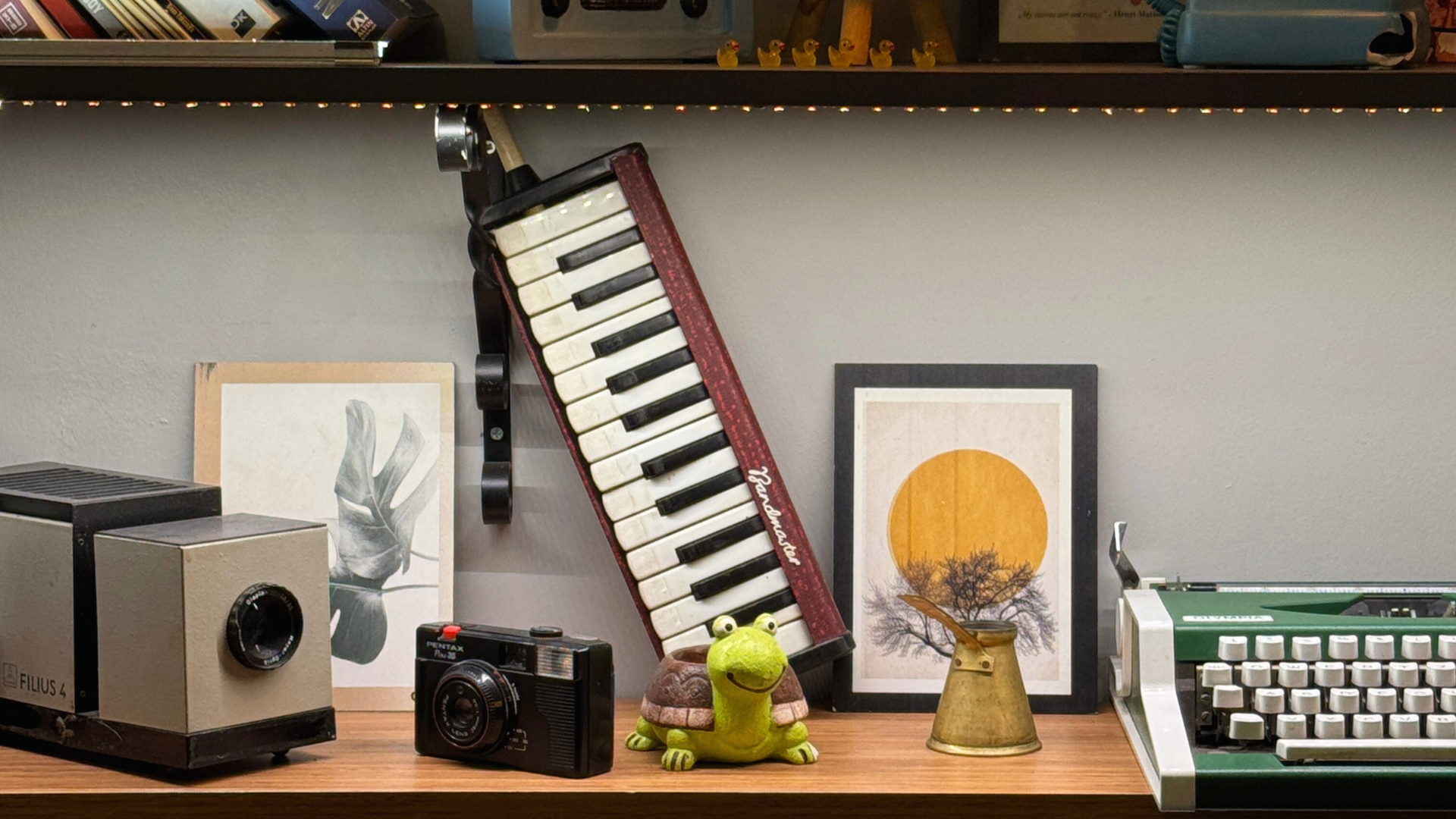

Transforming everyday objects into art means seeing beyond their practical use and recognizing their potential for creativity. It involves reinterpreting common materials to create something visually engaging or thought-provoking. This process can turn simple, overlooked items into unique expressions of personal or cultural meaning.
Artists use techniques like repurposing, altering shape, color, or context to shift objects from mundane to artistic. This approach challenges traditional ideas about what art is and where it can be found. It encourages creativity using resources already at hand, making art more accessible and sustainable.
The Concept of Transforming Everyday Objects into Art
Transforming everyday objects into art challenges traditional boundaries and redefines value and meaning. This process touches on what constitutes an object’s identity, its cultural significance, and the artist’s vision.
Defining Everyday Objects in Art
Everyday objects are items commonly found in daily life, such as household goods, tools, or packaging. When artists use these objects, they shift them from functional items to aesthetic or conceptual statements.
The transformation often involves altering the context, arrangement, or presentation. For example, Marcel Duchamp’s “Fountain” was an ordinary urinal signed and placed in a gallery, forcing viewers to reconsider its purpose. These objects retain their original physical form but gain new interpretations through artistic framing.
Historical Context and Influences
The use of everyday objects in art gained prominence in the early 20th century with movements like Dada and Surrealism. Marcel Duchamp’s readymades set a precedent by challenging the definition of art to include mass-produced objects.
Later, Pop Art embraced commercial imagery and consumer goods, blurring lines between art and commerce. Artists like Andy Warhol used cans and packaging to critique and reflect consumer culture. This practice continued with assemblage, installation, and contemporary mixed media approaches that emphasize context and perception.
Philosophical Perspectives
Philosophically, transforming everyday objects into art raises questions about authorship, originality, and aesthetic value. It emphasizes concept over craftsmanship, suggesting that intent and context are as important as form.
This approach draws from ideas like Walter Benjamin’s “aura” loss in mass production and the idea that recontextualization can restore or create new meanings. It challenges traditional hierarchies in art and suggests that mundane items can evoke complex responses when viewed through an artistic lens.
Creative Techniques for Artistic Transformation
Transforming everyday objects into art involves combining materials, altering context, and blending various media. These techniques can redefine the object’s purpose and invite new interpretation through hands-on manipulation.
Assemblage and Collage
An assemblage combines found objects into a three-dimensional composition. The focus is on selecting items with personal or thematic relevance, then arranging them to create meaning beyond their original function. Common materials include metal scraps, wood pieces, and discarded household items.
Collage uses layering and juxtaposition of cutouts, textures, or images on a flat surface. It’s often mixed with paint or other media to enhance depth. Both techniques allow artists to explore contrast, harmony, and spatial relationships that alter the perception of ordinary components.
Recontextualization Methods
Recontextualization places an object in a new environment or alongside unexpected elements. This shift alters the viewer’s interpretation without changing the object itself. Displaying a kitchen utensil as a sculpture or using packaging as part of an installation exemplifies this.
Text and signage can further contextualize objects, providing commentary or narrative. The key is creating dialogue between the object’s original use and its new artistic role, challenging assumptions about function and value.
Mixed Media Approaches
Mixed media art integrates various materials and techniques in a single piece. Combining painting, textiles, photography, and objects broadens expressive potential. It encourages experimentation with texture, color, and form.
Using adhesives, fasteners, or digital elements connects disparate objects and surfaces. This flexibility supports complex compositions that highlight contrasts between manufactured and natural elements or traditional and contemporary methods. Mixed media elevates the mundane by layering sensory details and conceptual depth.
Iconic Examples of Everyday Objects in Art
Everyday objects have been transformed into powerful artistic statements, challenging traditional definitions of art. Some works redefined the art world, while modern installations continue to explore and expand these ideas.
Pioneering Works and Influential Artists
Marcel Duchamp’s Fountain (1917) is often cited as the starting point of transforming everyday items into art. By presenting a urinal as an art piece, Duchamp questioned the role of context in artistic value.
Another key figure, Pablo Picasso, incorporated newspapers, bottle caps, and rope into his Cubist collages. These materials emphasized the breakdown of traditional forms while grounding art in daily life.
Andy Warhol further bridged art and commerce with his Campbell’s Soup Cans (1962), elevating mass-produced consumer goods to icons of pop culture and fine art.
Contemporary Art Installations
Contemporary artists often use everyday objectsont a larger scale or in immersive ways. Ai Weiwei’s installation Sunflower Seeds (2010) featured millions of handcrafted porcelain seeds, symbolizing individual and collective identity.
Banksy repurposes common urban objects and settings, like dumpsters or street signs, adding provocative stencils that challenge societal norms.
In a different approach, Tara Donovan stacks plastic cups or straws to create vast sculptures that highlight patterns and textures found in mundane materials, turning simple items into complex, captivating visuals.
Step-by-Step Process for Turning Objects into Art
Transforming everyday objects into art requires careful attention to material choice, creative inspiration, and thoughtful execution. Each stage builds on the last to ensure that familiar items become visually and conceptually engaging artworks.
Selecting Materials with Artistic Potential
Choosing the right objects begins with evaluating their physical qualities and symbolic meaning. Look for items with interesting textures, shapes, or colors that can evoke emotion or thought beyond their practical use. Consider materials that can withstand alteration, such as wood, metal, or sturdy plastics.
Balance originality with accessibility. Objects should be familiar enough to relate to but unusual enough to surprise. Consider the object’s history or context, as this can add depth. Avoid overly fragile materials unless they serve a specific fragile aesthetic.
Checklist for selection:
- Durability and malleability
- Visual appeal or uniqueness
- Potential for transformation
- Cultural or personal significance
Inspiration and Concept Development
Start by brainstorming ideas on how the object’s form or function can be altered or reinterpreted. Inspiration can come from nature, existing art styles, or the object’s literal or metaphorical associations.
Sketch or write down different concepts to explore visual themes or narratives. Decide whether you want the piece to convey a message, evoke emotion, or purely focus on visual impact. Creating a mood board or collecting reference images helps focus your direction.
Consider how the object’s original purpose contrasts with your artistic intent. This tension creates deeper meaning and interest.
Execution and Presentation
Begin by preparing the object—cleaning, disassembling, or reshaping as needed. Use tools appropriate to the material for cutting, painting, or assembling. Precision matters, but leave room for spontaneous adjustments during creation.
Incorporate additional elements like paint, lighting, or mixed media to enhance features or add layers of meaning. Test different arrangements before finalizing the composition.
When displaying, consider scale, placement, and viewer interaction. Use stands, frames, or props to support the object while highlighting its transformed nature. Lighting angles can dramatically change perception, so adjust accordingly.
Sustainability and Upcycling in Artistic Practice
Responsible material selection and awareness of ecological effects play crucial roles in creating art from everyday objects. Artists prioritize reusing resources to reduce waste and inspire environmental consciousness.
Eco-Friendly Material Choices
Artists often choose upcycled materials like scrap metal, discarded wood, and fabric remnants due to their availability and low environmental cost. These items reduce demand for virgin resources and cut down on landfill waste. Natural dyes and non-toxic adhesives are preferred to minimize chemical pollution.
Using materials that already exist helps avoid the energy-intensive processes of manufacturing new art supplies. Some artists also incorporate biodegradable or recyclable components to ensure their artwork remains environmentally responsible throughout its lifecycle.
Environmental Impact and Awareness
Transforming everyday objects into art can highlight issues like consumerism and pollution. By visibly repurposing waste, artists provoke discussions on sustainability and resource cycles. Exhibitions often include educational messages about reducing, reusing, and recycling.
Artists track the carbon footprint of their materials and production methods to improve environmental outcomes. This practice can involve local sourcing to cut transportation emissions or collaborating with environmental organizations. Art then becomes a tool for advocacy, raising awareness while actively reducing harmful impacts.
Displaying and Interpreting Everyday Object Art
Displaying artwork made from everyday objects requires thoughtful choices about environment and context. Interpretation hinges on how viewers connect the original function of the object with the artist’s intent and message.
Gallery and Public Art Strategies
In galleries, everyday object art can be elevated through lighting, placement, and framing to highlight texture and transformation. Pedestals or transparent cases help isolate the piece, encouraging close inspection. Labels should provide background on the object’s original use and the artist’s process without overwhelming the viewer.
Public art using everyday objects often integrates into the environment to provoke community interaction. Durable materials and secure installations are critical for outdoor displays. Strategic locations—parks, transit hubs, or busy streets—maximize exposure and invite everyday engagement from passersby.
Engaging Audiences through Storytelling
Effective interpretation connects the transformed object to personal or cultural narratives. Artists and curators can use brief written panels, videos, or interactive digital content to tell the story behind the objects and their reinvention.
Inviting viewers to share their own experiences related to the objects deepens engagement. Workshops, guided tours, or social media campaigns focusing on the stories connected to the object’s everyday life enrich understanding. Storytelling bridges the gap between function and art, making the unexpected familiar again.
Challenges and Criticisms
Transforming everyday objects into art raises questions about their value and raises practical concerns related to materials and technique. These issues influence both reception and artistic execution.
Perceptions of Value and Authenticity
Many critics challenge the legitimacy of using everyday objects as art, questioning their originality and artistic value. The concept of authenticity is often debated because the objects already exist in daily life, leading some to view the work as less creative.
Collectors and institutions may also hesitate to invest in such pieces. The market favors traditionalmedias like painting or sculpture, which can impact an artwork’s financial and cultural standing.
Additionally, viewers might struggle to connect emotionally with transformed objects unless the artist clearly conveys intent. This gap can reduce perceived significance and result in mixed critical reception.
Technical Limitations
Working with non-traditional materials presents distinct challenges. Everyday objects may lack durability or react unpredictably to environmental conditions such as light and moisture.
Artists often need specialized skills or tools to manipulate these materials safely and effectively. For example, altering plastics may require heat treatment, which risks damaging the piece if not done precisely.
Storage and transportation also become complex issues. Fragility and irregular shapes increase the chance of damage, requiring custom supports or packaging. These practical constraints can limit the scale and scope of such artworks.
Inspiring Creativity: Resources and Communities
Access to the right spaces and networks can significantly enhance the process of transforming everyday objects into art. Many resources provide structured learning opportunities and foster connections among artists.
Workshops and Online Platforms
Workshops offer hands-on experiences where artists explore materials and techniques under expert guidance. Programs like Skillshare and Udemy feature courses on upcycling, mixed media, and DIY sculpture. These platforms often include project-based lessons, allowing participants to apply new skills immediately.
Local art centers and maker spaces also provide studio access and equipment for experimenting. Some workshops specifically focus on repurposing household items, providing both inspiration and practical advice. These environments encourage trial and error, essential for creative development.
Collaborative and Educational Initiatives
Community groups and educational programs help artists exchange ideas and receive feedback. Organizations such as Creative Reuse or local art councils often organize group exhibitions and challenges centered on transforming common objects.
Schools and nonprofits are integrating art programs that emphasize sustainability and creativity through everyday materials. These initiatives promote environmental awareness alongside artistic skills. Networking through these channels can connect emerging artists with mentors and potential collaborators.