
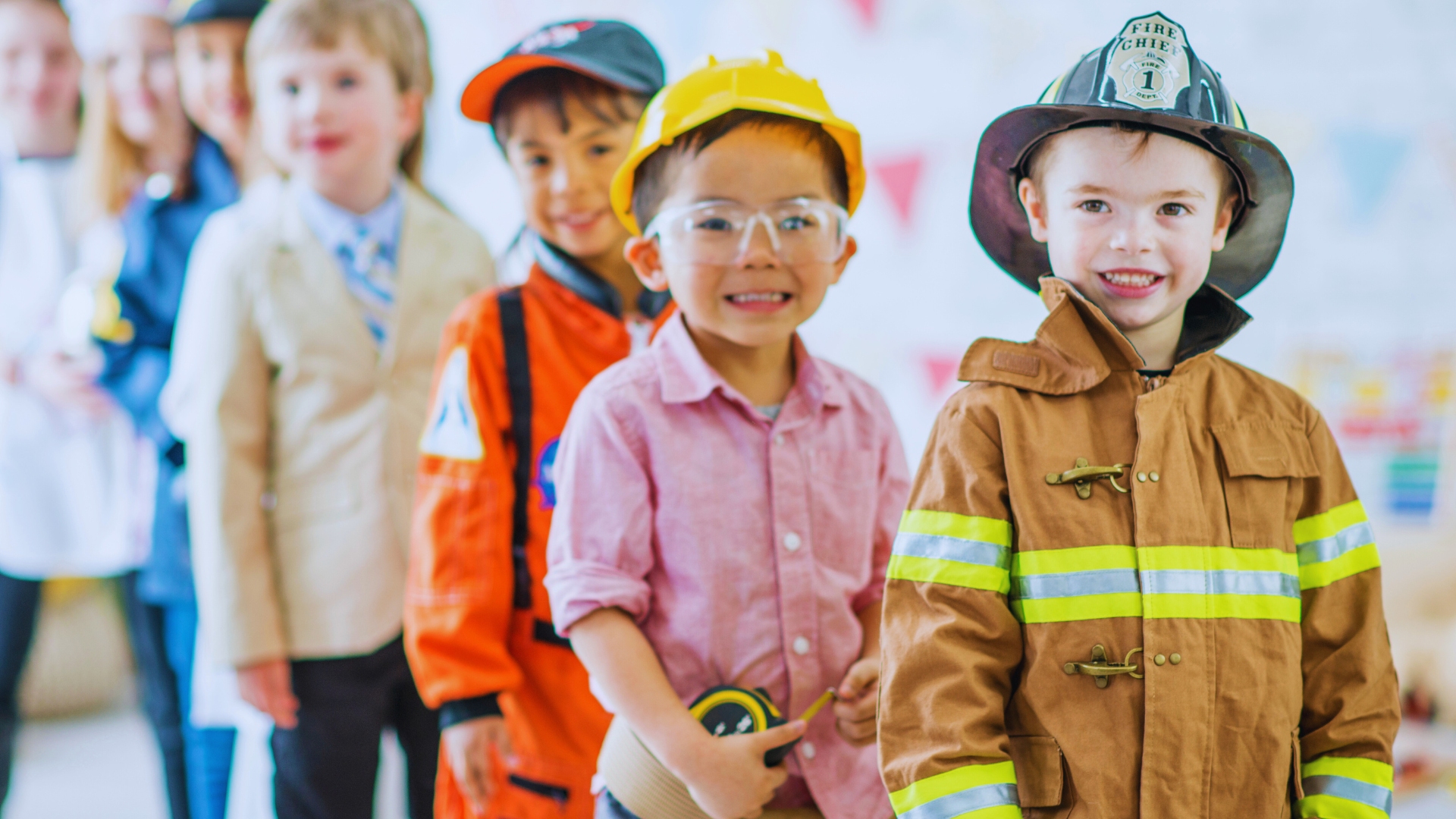

As the job market evolves at an unprecedented pace, preparing kids for careers that don’t yet exist has become essential. Equipping children with skills in adaptability and lifelong learning will help them thrive regardless of future technological advancements. The education system must shift its focus from standardized learning to fostering creativity and critical thinking to cultivate a generation ready to face unknown challenges.
Technology is transforming how work is conducted, introducing roles that require new competencies. This shift encourages an educational approach that emphasizes not just knowledge acquisition, but the ability to learn continuously and innovatively. By nurturing skills such as collaboration, problem-solving, and digital literacy, parents and educators can ensure that children are well-prepared for an unpredictable future.
Ultimately, fostering a mindset of curiosity and resilience is crucial in this preparation. Children equipped with these qualities can adapt to changes and seize new opportunities as they arise. Investing in their ability to learn and grow will lead to success in an ever-changing job landscape.
Education and Skill Development for an Undefined Future
Preparing children for future jobs requires an adaptive approach to education that emphasizes innovation, creativity, and essential soft skills. As job markets evolve and technology advances, educational frameworks must shift to equip students with the tools necessary for unforeseen challenges.
Shifting Education Paradigms
Current educational systems often focus on rote memorization and standardized testing. To prepare for future employment landscapes, they need to embrace a more flexible model.
This model should prioritize critical thinking and problem-solving skills. Curriculums can integrate real-world challenges, encouraging students to devise solutions collaboratively. Project-based learning provides a hands-on approach. It fosters leadership and adaptability, essential traits for navigating change in various fields.
The STEAM Approach to Learning
The STEAM (Science, Technology, Engineering, Arts, and Mathematics) approach enhances traditional STEM education by incorporating the arts. This inclusion nurtures creativity alongside analytical skills.
Courses should engage students in interdisciplinary projects, fostering innovation and a deeper understanding of how different fields interconnect. For instance, art and design can enhance technological projects, making them more appealing and practical.
Encouraging teamwork through STEAM initiatives cultivates communication and collaboration abilities vital for modern work settings. Participants learn to appreciate diverse perspectives, enhancing their adaptability.
Emphasizing Soft Skills and Emotional Intelligence
As automation rises, soft skills become increasingly vital. Employers seek individuals who can navigate social complexities and demonstrate emotional intelligence. Education must prioritize developing these skills and creating classroom environments that promote empathy and active listening. Role-playing and group discussions are effective methods for developing these crucial interpersonal skills.
Collaboration in varying group settings teaches conflict resolution and adaptability. Furthermore, encouraging open dialogue helps students articulate their ideas, honing their communication skills, which are essential in any career.
Preparing for the Technological Workplace
The modern job market is increasingly influenced by advancements in technology. Skills in AI, automation, and human interaction will be essential for future employment opportunities.
Understanding AI and Automation
AI and automation are transforming employment landscapes. Familiarity with these technologies will help children navigate future roles.
Key concepts include:
- Artificial Intelligence (AI): Understanding machine learning and data analysis is crucial for jobs involving technology.
- Robotics: Knowledge of robotics can provide insights into how machines work alongside humans.
- Automation: Recognizing how various processes can be automated will prepare them for industries that rely on these advancements.
Children should engage with educational tools and programs that involve these technologies. This can include coding classes, robotics clubs, and AI-related games.
Staying Ahead with Technical Skills
Technical skills are vital in a tech-driven economy. Proficiency in coding, data analysis, and working with big data can distinguish candidates in the job market.
Key technical skills to focus on:
- Coding: Learning programming languages such as Python or Java can open new job opportunities.
- Data Analysis: Skills in analyzing and interpreting data will be crucial as businesses increasingly rely on data-driven decisions.
- Machine Learning: Understanding the basics of machine learning will provide a competitive edge.
Encouraging children to participate in tech-focused extracurricular activities can enhance these skills. Online platforms offering courses in these areas can also be beneficial for self-motivated learners.
The Role of Human Skills in a Tech-Driven World
While technical knowledge is important, human skills remain essential. Attributes like empathy, collaboration, and communication will differentiate candidates in an automated environment.
Key human skills include:
- Empathy: Understanding others’ perspectives is critical in team environments and customer interactions.
- Collaboration: Working well with diverse teams to achieve common goals is increasingly important.
- Critical Thinking: The ability to analyze situations and make informed decisions will be crucial as technology evolves.
Fostering these skills through group activities, discussions, and community service can help children adapt to future workplace dynamics. Balancing technical know-how with strong interpersonal skills will be key to thriving in the jobs of tomorrow.
The Importance of Adaptability and Continuous Learning
Developing skills for jobs that don’t currently exist requires a strong emphasis on adaptability and continuous learning. These qualities empower children to navigate future changes and seize new opportunities.
Cultivating a Mindset of Growth and Resilience
A growth mindset encourages children to view challenges as opportunities for development. By fostering resilience, they learn to adapt to setbacks and persist in the face of difficulties.
Key elements of this mindset include:
- Curiosity: Encouraging questions leads to exploration.
- Flexibility: Teaching the importance of adjusting plans based on new information.
- Reflection: Regularly assessing experiences helps in identifying areas for improvement.
These traits prepare children for complex future careers. It enables them to embrace new roles and technological advancements with confidence.
Integrating Continuous Education into Career Planning
Continuous education remains vital in preparing for evolving job markets. Children should engage in lifelong learning through various channels.
Several approaches include:
- Workshops and Seminars: These offer hands-on experience and insights into new fields.
- Online Courses: Flexibility in learning allows them to explore diverse topics at their own pace.
- Project Management Skills: Understanding how to manage projects equips them for leadership roles in any career.
A commitment to ongoing education ensures that they remain competitive and adaptable in an unpredictable work environment.